





Section 1: Introduction to Concept
Opening with Photography as a Learning Tool
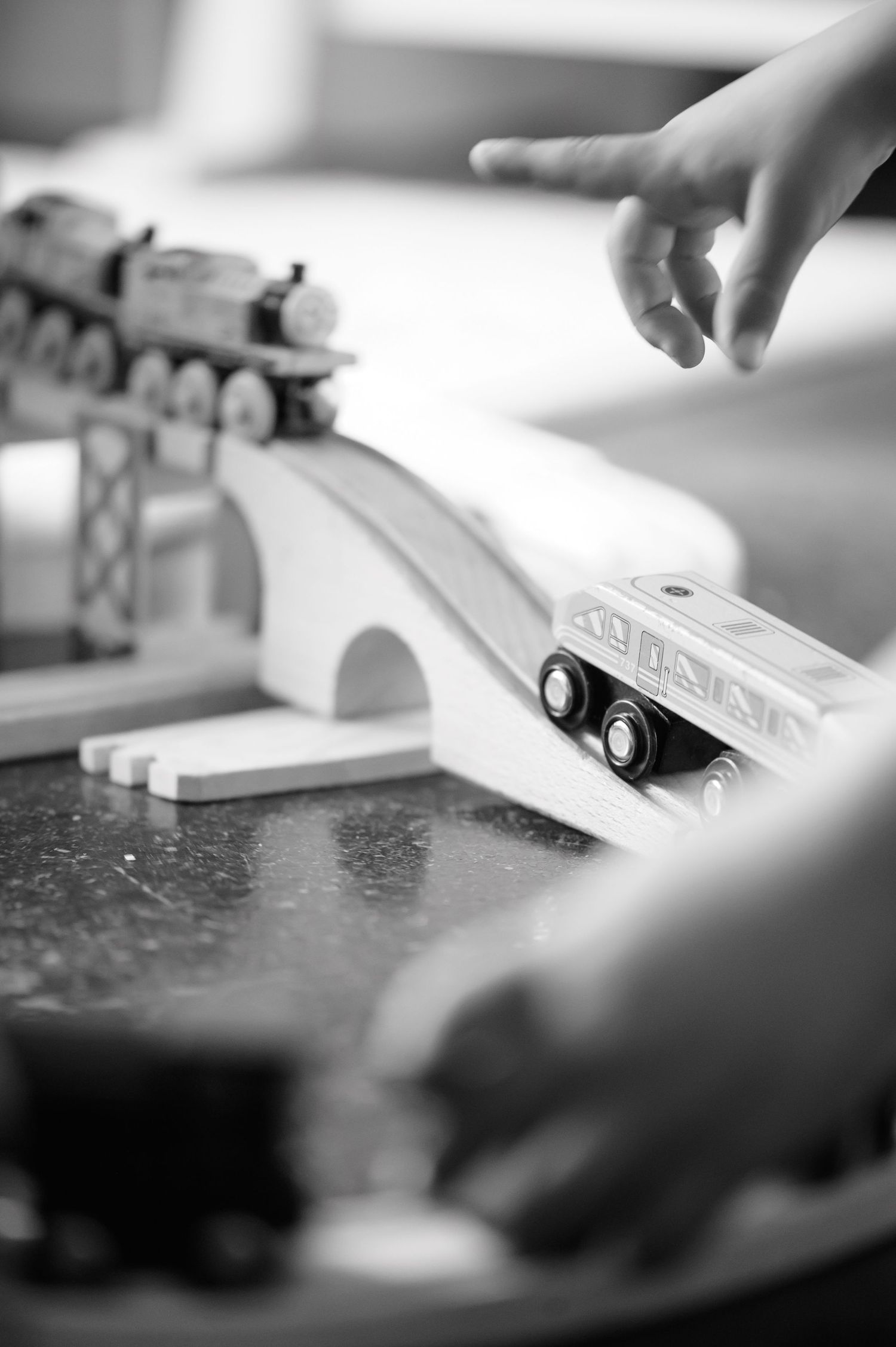
Photography unlocks a child’s unique ability to observe, feel, and tell stories about their world. It serves as a bridge between abstract emotions and tangible self-expression, especially for young learners still developing their language skills. Through the lens of a camera, children gain a new perspective, uncovering the beauty in small details like the delicate veins on a leaf or the emotions on a friend’s face.
In an era dominated by fast-paced digital interactions, photography teaches children patience, mindfulness, and curiosity. By framing moments and reflecting on their creations, children not only develop their artistic abilities but also build essential social-emotional skills that help them connect with their environment and peers.
The Role of Visual Storytelling in Early Childhood Education
Visual storytelling harnesses children’s innate curiosity and creativity. With a camera, children can share their unique perspectives, recording experiences that reflect their understanding of the world. This process supports their emotional and social growth, aligning with established educational approaches like Montessori, Reggio Emilia, and experiential learning:
- Montessori Approach: Photography fosters independence by enabling children to explore their surroundings and document meaningful moments, promoting a sense of autonomy and responsibility. In Montessori classrooms, where child-led exploration is central, photography fits seamlessly as it allows children to make decisions about what to capture, reinforcing their ability to follow their interests and instincts. Educators can guide children to use photography to document their work, observe nature, or reflect on their day, encouraging both practical and reflective skills.
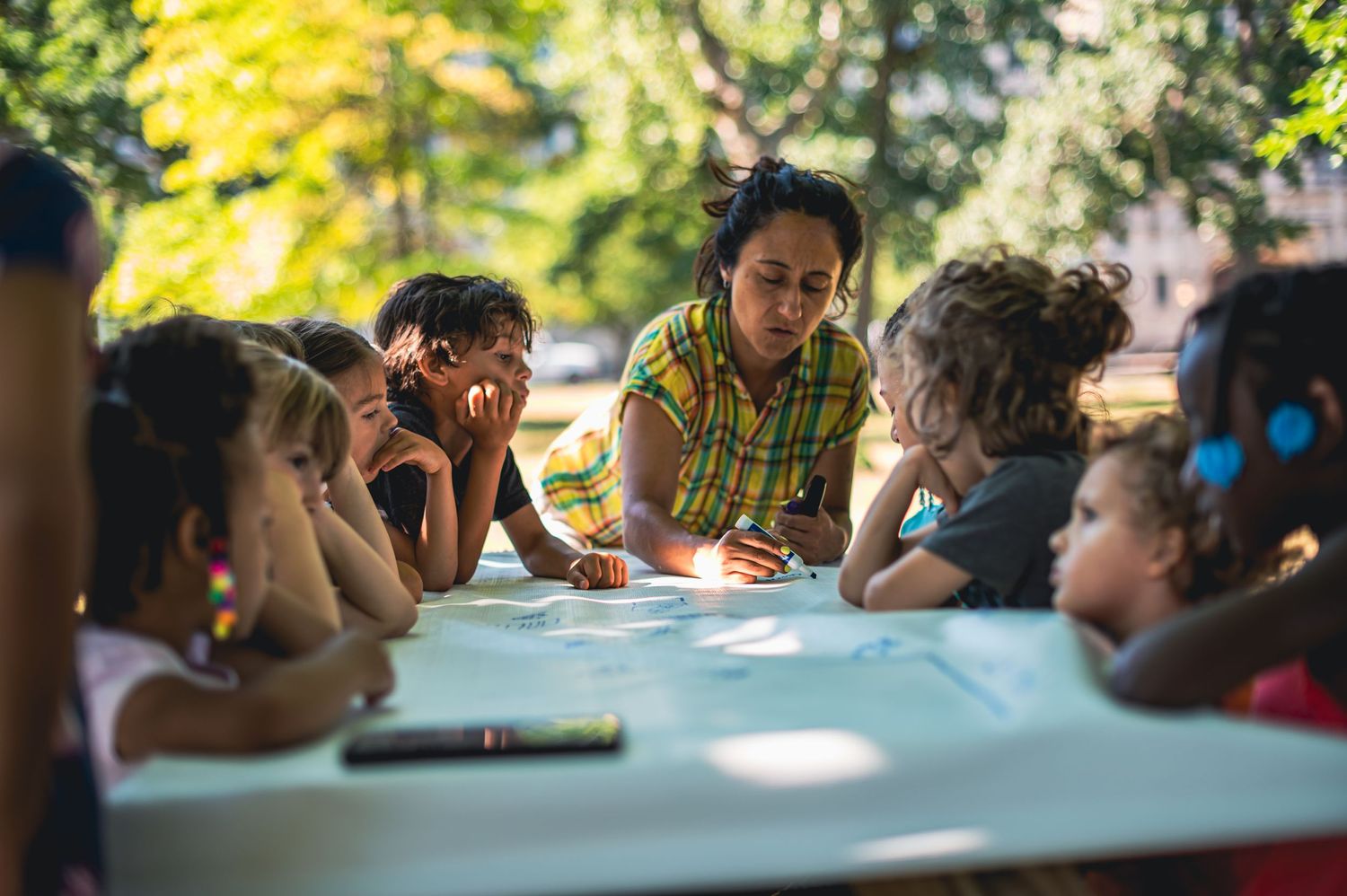
- Reggio Emilia Approach: This child-centered method emphasizes self-expression, collaboration, and project-based learning. Photography enhances these principles by enabling children to record and share their interactions with peers, educators, and their environment. Through group photography projects, children can co-create visual stories that celebrate their collective experiences, fostering teamwork and mutual respect. For example, children might collaborate to create a photo journal documenting their community, sparking discussions about belonging and diversity.
- Experiential Learning: Through photography, children develop hands-on skills, observe their environment closely, and learn to express emotions, laying the foundation for self-awareness and empathy. This approach emphasizes the value of learning by doing, and photography’s tactile nature makes it an ideal fit. Children learn to handle equipment carefully, compose shots thoughtfully, and reflect on their work, integrating cognitive and emotional learning.
Linking Photography to Social-Emotional Learning (SEL)
Introducing photography in early childhood education supports SEL by encouraging children to recognize and process emotions, build relationships, and connect with their community. By capturing acts of kindness, moments of play, or interactions with nature, children develop empathy, social awareness, and a deeper sense of connection to those around them.
Photography empowers children to tell their own stories, giving them a sense of agency and pride. It also provides a platform for children to celebrate their identities and cultures, fostering inclusivity and respect for diversity within the classroom. Through the lens of a camera, children begin to see themselves as active participants in their environment, capable of making meaningful contributions to their communities.
Section 2: Educational Framework
Photography directly enhances SEL by nurturing the following skills:
Social-Emotional Learning (SEL) and Photography
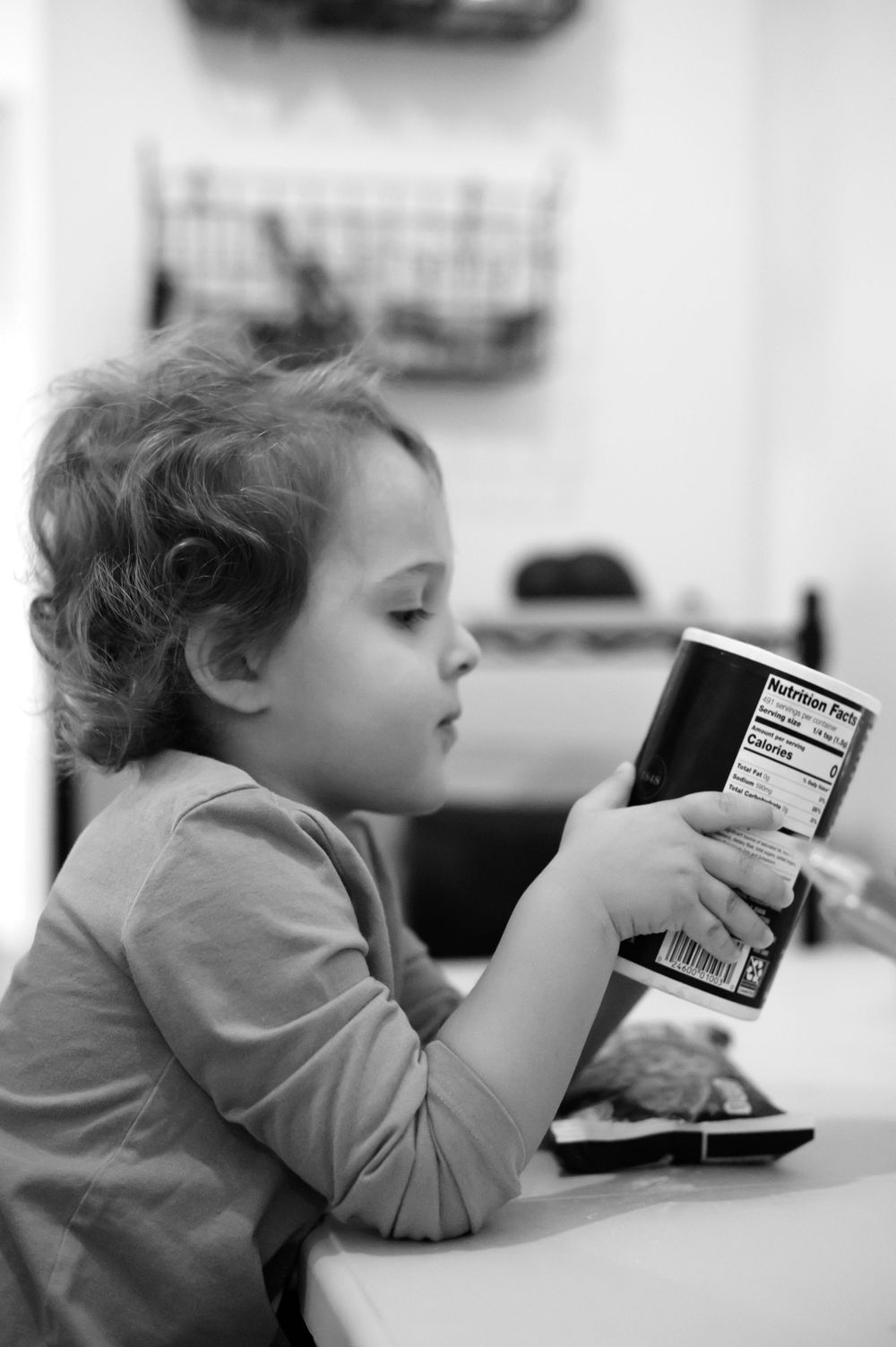
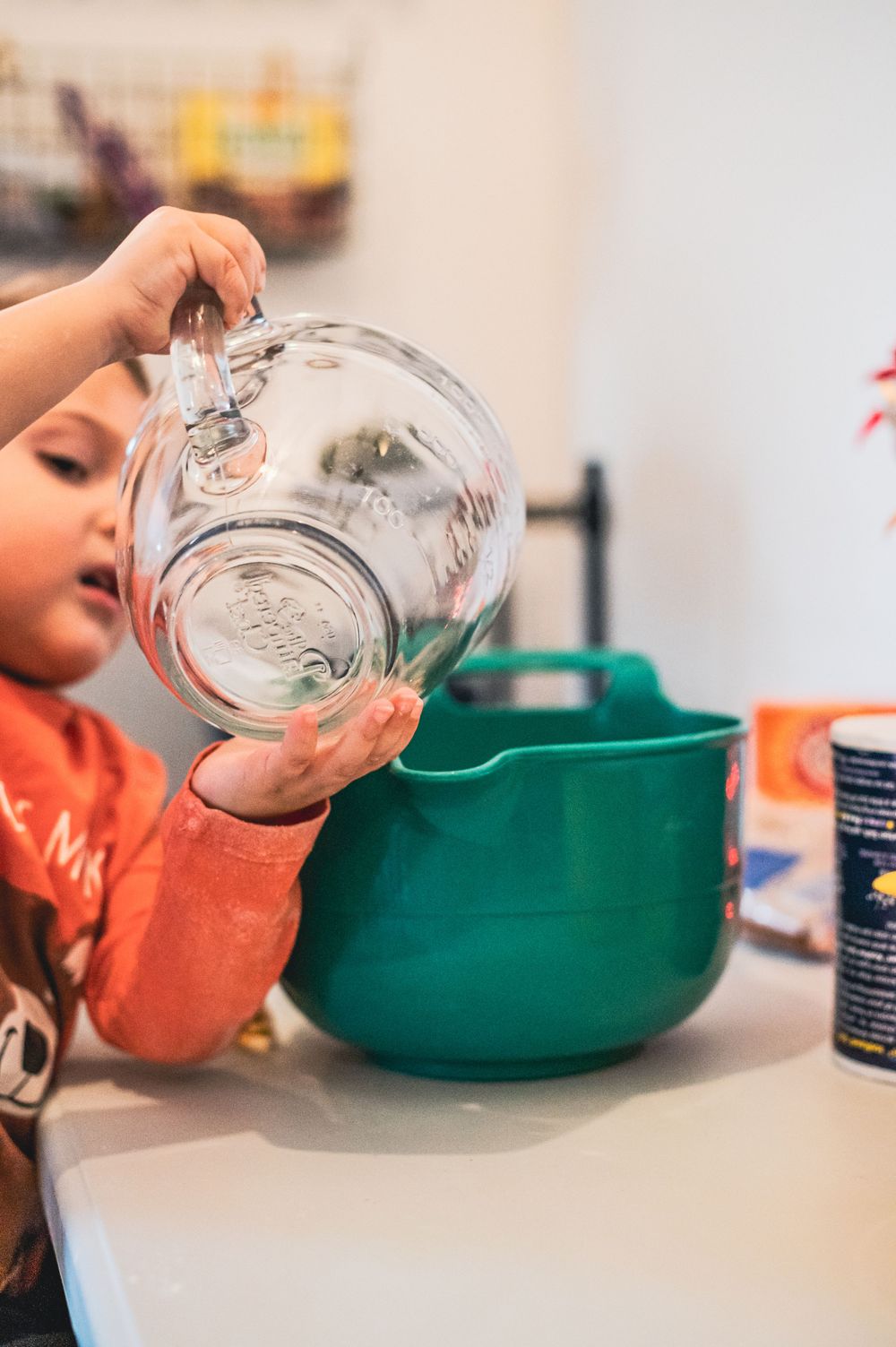
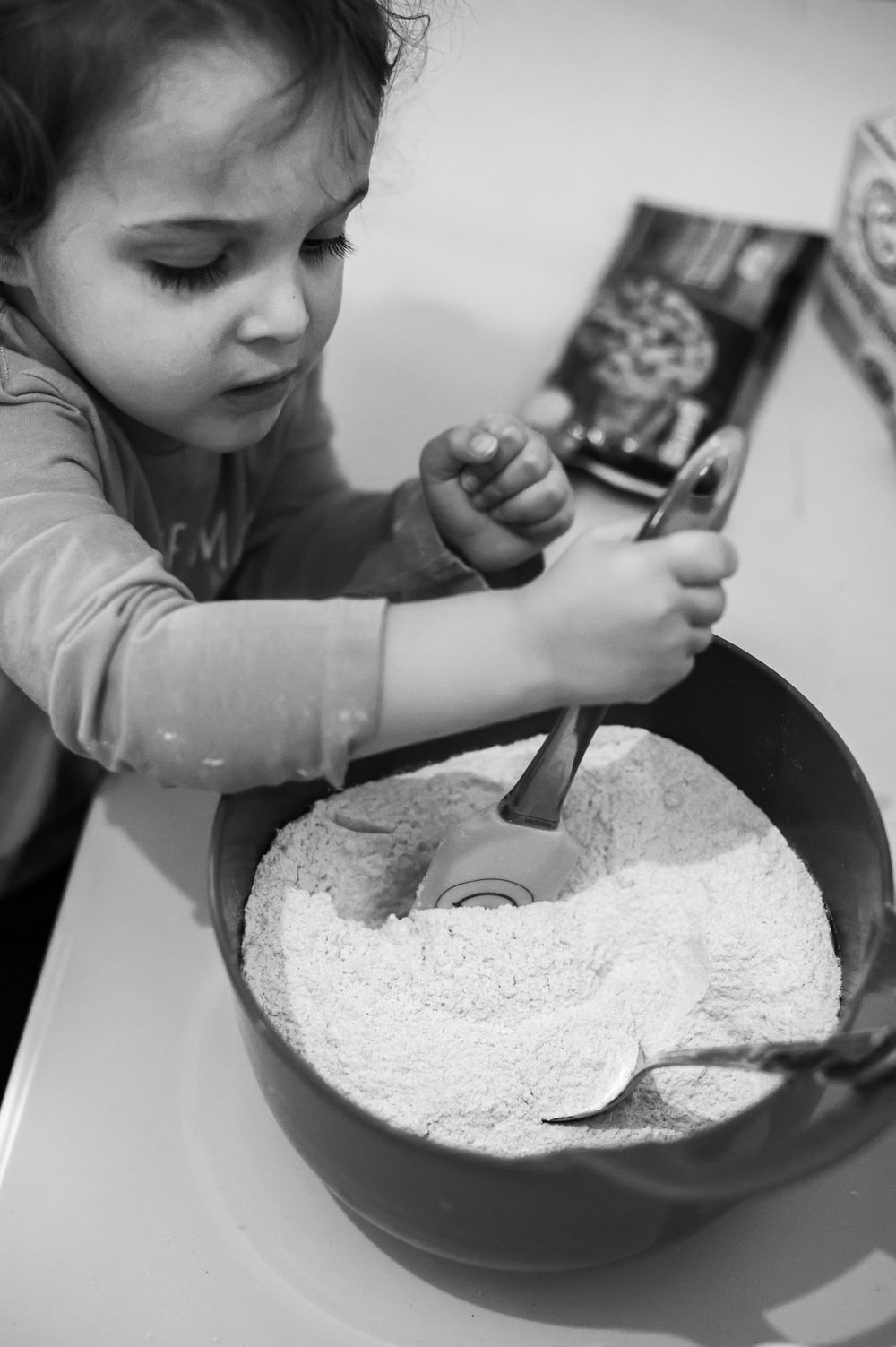
Photography supports SEL by fostering skills in self-awareness, empathy, and social awareness. When children use a camera to capture their surroundings, they’re not just taking pictures; they’re actively choosing what resonates with them emotionally. For instance:
1. Self-Awareness : Taking photos allows children to focus on what resonates with them emotionally. Capturing a friend’s smile, a playful moment, or a favorite object helps children identify and understand their feelings. Educators can guide children to think about why they chose certain subjects and what those choices reveal about their inner world. For instance, a child who photographs a cozy reading corner may be expressing a need for comfort or quiet time.
2. Empathy and Perspective-Taking : By photographing people, animals, and moments in their environment, children begin to see the world through others' eyes, fostering empathy and compassion. For example, a child who photographs a peer sharing toys may begin to recognize the importance of generosity and how it strengthens relationships. Teachers can encourage discussions about these photos, helping children articulate the emotions and perspectives they observe.
3. Social Awareness : Documenting their community helps children understand the roles and contributions of others, like teachers, helpers, or family members. This nurtures a sense of belonging and responsibility. Children can photograph staff members, classmates, and shared spaces, fostering an appreciation for the interconnectedness of their environment.
Critical Thinking & Reflection Through Photography
Photography can aid in developing early critical thinking skills. When children review their photos, they learn to ask questions, make observations, and consider what their images reveal about their world and connect their experiences with broader concepts like storytelling. Educators can guide this process through activities such as:
- Questioning and Curiosity: Asking open-ended questions like “Why did you choose to capture this moment?” sparks thoughtful reflection and deeper engagement. These questions help children articulate their observations and feelings, building critical thinking skills in the process.
- Making Connections: Reviewing photos helps children relate personal experiences to universal ideas, such as kindness, friendship, or change. A photo of a playground scene might lead to discussions about teamwork, inclusion, or problem-solving, connecting everyday moments to larger social themes.
- Setting Goals: Photography projects encourage goal-setting and accountability, such as capturing an act of kindness or documenting progress in a group activity. These goals help children develop perseverance and a sense of achievement, reinforcing their ability to take initiative.



Section 3: Program Structure and Activities
The curriculum is designed around flexible modules that combine photography with SEL themes. Specific modules include: suggested activities, thematic prompts, and reflective questions. It’s designed to be flexible and can be adapted to various educational settings and developmental stages.
Overview of Curriculum Structure
The curriculum is organized into weekly or monthly modules, each focusing on themes that explore emotional development and the art of storytelling. Each module is designed to help children understand their feelings, build empathy, and express their unique perspectives through creative visual narratives using photography. The process includes:
- Theme Introduction: Educators introduce a topic like kindness, friendship, or emotions. These introductions can include storytelling, role-playing, or visual examples to inspire children and set the stage for exploration.
- Photography Activity: Children explore and document the theme through photography, using cameras to capture moments that resonate with the topic.
- Reflection and Discussion: Guided discussions help children share their photos and emotions. Educators can create a safe, supportive space where children feel comfortable expressing their thoughts.
- Follow-Up Action: Activities reinforce the lessons learned, like creating art, practicing acts of kindness, or collaborating on group projects. These follow-ups help children apply their learning in meaningful ways, deepening their understanding.
Sample Modules and Activities
- Module 1: Acts of Kindness
- Objective: To recognize and celebrate kindness.
- Activity: Children photograph moments of kindness, such as sharing toys or helping a friend. Teachers can model examples by showing photos of kind acts and discussing their impact.
- Reflection Questions: “How did this act of kindness make you feel?” “Why is kindness important?” These discussions help children articulate their feelings and recognize the ripple effects of kindness.
- Follow-Up Action: Create a “Kindness Wall” with photos and notes of gratitude, celebrating acts of kindness within the classroom.
- Module 2: Building Connections
- Objective: To foster understanding of relationships and community.
- Activity: Children photograph people who help them, like teachers or family members. This activity helps children see the value of each individual’s contributions.
- Reflection Questions: “How does this person make our community better?” “What would happen without their help?”
- Follow-Up Action: Write thank-you notes to the people photographed, encouraging children to express gratitude.
- Module 3: Exploring Emotions
- Objective: To help children identify and express emotions.
- Activity: Children capture photos that represent different feelings, such as happiness, curiosity, or calmness. Teachers can provide prompts like, “Show me what makes you feel happy.”
- Reflection Questions: “What emotion does this photo show?” “When have you felt this way?”
- Follow-Up Action: Create an “Emotion Book” with captions for each photo, helping children build emotional vocabulary.
- Module 4: Friendship and Teamwork
- Objective: To promote collaboration and mutual respect.
- Activity: Children photograph moments of teamwork, such as building together or playing a game. Educators can encourage group activities that naturally foster teamwork.
- Reflection Questions: “How did you work together in this moment?” “What made this teamwork successful?”
- Follow-Up Action: Organize group activities that build on teamwork, reinforcing the value of collaboration.
Classroom Techniques for Supporting Young Photographers
- Introduce Basic Photography Skills : Start with simple concepts, like framing, focusing, and choosing subjects. Demonstrate how to hold a camera and encourage children to take their time in selecting a subject to photograph.
- Encourage Group and Individual Exploration : Some children may prefer exploring alone, while others enjoy collaborating with friends. Allow both group and solo photography sessions to build social skills while fostering independence.
- Guide Reflection and Discussion : After photography sessions, have children share their photos. Create a supportive environment where they feel comfortable expressing their thoughts. Educators can display the images in the classroom or make a digital slideshow to celebrate the children’s work.
Age-Appropriate Techniques and Safety Considerations
- For younger children, use cameras with simple controls, and supervise outdoor sessions to ensure safety.
- Encourage children to handle the cameras with care, teaching responsibility and respect for equipment.
- Provide child-friendly photography accessories, like neck straps or protective cases, to prevent damage and ensure safety.
By structuring the curriculum in these thematic, hands-on modules, children can explore storytelling concepts in a relatable way. They’ll gain observational skills, empathy for others, and a sense of agency in caring for the environment.

Section 4: Case Studies
This section provides illustrative case studies to demonstrate how this photography-based curriculum supports social-emotional learning (SEL) in real-world settings. These examples highlight how the program fosters children’s emotional awareness, sense of community, and self-expression. Each case study includes a snapshot of the activities, children’s responses, and the long-term impact on their emotional growth and interpersonal skills.
Case Study 1: A Kindergarten Classroom Learns About Recycling
In a kindergarten classroom, the teacher introduces the theme of recycling. The children start by talking about items they commonly see being thrown away and guessing which ones could be recycled. Next, the teacher introduces a photography activity called “Spot the Recyclable,” where children use classroom cameras to take pictures of objects they believe should be recycled.
- Activities : After a brief demonstration on how to handle the cameras, children work in small groups, photographing items like plastic bottles, cardboard boxes, and snack wrappers. They compare their photos in a group discussion, debating which items are recyclable and why.
- Children’s Responses : During the reflection session, one child shares, “I didn’t know we could recycle paper! I see my mom throw it in the trash at home.” Another student asks if they can bring recyclable items from home to add to their new classroom recycling bin.
- Long-Term Impact : Over the next few weeks, children become more conscious of recycling and start influencing family habits. Some parents report that their children have become “recycling champions” at home, sorting out recyclables and sharing what they learned about waste. The teacher adds regular recycling challenges, encouraging children to capture and share moments of them recycling at home.
Case Study 2: Exploring Nature in an Urban Preschool
In a preschool within a city, the teacher focuses on helping children connect with nature in an urban setting. The theme, “Nature Around Us,” begins with a discussion about different plants, insects, and animals they may see in their community, even in a more built-up area.
- Activities : The teacher takes the class on a walk to a nearby community garden, equipping each child with a small camera. Their mission is to find something “alive and growing,” whether it’s a plant breaking through a sidewalk crack or a bee on a flower. Back in the classroom, children share their photos, with prompts like, “Why do you think this plant is here?”
- Children’s Responses : The children are fascinated by tiny things they typically overlook. One child captures a photo of a small flower growing near a fence, proudly explaining, “I found this flower all by itself! I think it’s strong because it’s growing in the sidewalk.” Another child shares a photo of an ant carrying food, sparking a discussion about the importance of even the smallest creatures.
- Long-Term Impact : After several outdoor excursions, the children grow more attuned to observing nature in their everyday environments. The teacher notices them pointing out plants and animals on subsequent walks. Some parents share that their children have started expressing concern for urban plants and animals, showing an increased awareness of local biodiversity and a desire to protect it.
Case Study 3: Capturing Acts of Kindness in a Montessori School
In a Montessori classroom, the focus shifts to social-emotional learning through the theme “Capturing Kindness.” The teacher explains that kindness can make people feel good and helps everyone get along. She invites the children to photograph moments of kindness they see throughout the week.
- Activities : Children use cameras to capture acts of kindness, such as a friend helping another, sharing toys, or cleaning up the classroom. At the end of the week, the teacher hosts a “Kindness Showcase,” where children share their photos and talk about why each act of kindness matters.
- Children’s Responses : During the showcase, a child proudly shows a photo of a friend helping them up after they tripped, saying, “This made me happy because she helped me.” Another child shares a photo of classmates sharing materials, noting, “They are sharing so everyone can have a turn.” The teacher reinforces the idea that kindness strengthens their community.
- Long-Term Impact : The project builds empathy and awareness of others, as children become more intentional in showing kindness. Parents and teachers notice an increase in cooperative behavior, and children start recognizing and celebrating kind acts without needing prompts. The school continues the kindness project as a monthly activity, reinforcing positive behavior and strengthening classroom bonds.
Case Study 4: A Family Daycare’s Photography Nature Journal
A home-based daycare in a suburban area introduces a “Nature Journal” photography project to encourage children to observe the seasons. Each child is given a small disposable or digital camera and, every week, photographs something they notice changing in nature—whether it’s falling leaves, melting snow, or blooming flowers.
- Activities : Children start by photographing small changes they see outdoors, with a focus on plants, weather, and wildlife. At the end of each month, the teacher prints the photos and creates a class journal, encouraging children to describe their observations and reflect on the seasonal changes.
- Children’s Responses : Children start noticing patterns, like the appearance of more birds in spring or leaves turning colors in autumn. One child captures a photo of a tree losing its leaves and says, “The tree is changing because winter is coming.” Another child takes a picture of raindrops on leaves, describing it as “water helping plants grow.”
- Long-Term Impact : The children’s attentiveness to nature’s cycles deepens, fostering an appreciation for the environment and seasonal changes. Parents report that their children have started observing nature more frequently at home, with some creating their own “nature journals.” This encourages a family-wide commitment to exploring and respecting nature.
Key Takeaways
- Children independently explore and document themes like kindness, nature, or community, enhancing their creativity and self-awareness.
- The use of photography fosters curiosity and empathy as children engage with their surroundings and peers.
- Visual storytelling empowers children to take ownership of their learning, deepening emotional and social connections.




Section 5: Challenges and Recommendations
While the photography-based SEL curriculum offers a rich educational experience, educators may encounter certain challenges in its implementation. This section explores potential obstacles and provides recommendations for adapting the curriculum to different environments and needs.
Challenge 1: Limited Resources and Equipment
Problem : Schools or classrooms may lack the financial resources to provide cameras or other necessary tools for a photography program. Not all schools or daycare centers have access to digital cameras or tablets suitable for young children.
Recommendation :
- Use Recycled or Donated Cameras : Many communities have organizations or local businesses that donate used cameras to educational programs. Teachers could reach out to community members or hold a small fundraiser to gather used cameras.
- Rotate Equipment : If there are limited cameras, create a rotation schedule to ensure each child gets a turn. This can be a great opportunity to teach children about sharing and responsibility.
- Consider Alternatives : Use smartphones or tablets if digital cameras are unavailable. Some schools may also have access to simple disposable cameras, which can be an affordable option for shorter projects.
Challenge 2: Differing Developmental Stages and Abilities
Problem : The range of abilities and developmental stages among young children means that not all will be equally capable of handling a camera or participating in discussions surrounding storytelling.
Recommendation :
- Tailor Activities by Age Group : Younger children can focus on simple activities, like taking photos of colors or shapes in nature, while older children can engage in more complex assignments, such as capturing themes like kindness or community.
- Offer Guidance and Scaffolding : Provide more guidance for younger children, like showing examples of what to photograph. For older children, introduce elements of creative freedom, like allowing them to choose their themes or explore new techniques.
- Celebrate All Contributions : Encourage every child’s unique perspective and efforts. Displaying each child’s work in the classroom or creating a class gallery can help children feel valued, regardless of their level of skill or understanding.
Challenge 3: Balancing Curriculum Integration with Academic Standards
Problem : Schools often have strict curriculum standards, making it challenging to integrate a photography-based SEL program into the existing schedule without disrupting other learning objectives.
Recommendation :
- Integrate Photography with Core Subjects : Photography activities can reinforce academic learning. For example, a photo assignment on nature could tie into science lessons on plant life cycles, while a project about kindness can connect with social-emotional learning standards.
- Utilize Flexible Timelines : Instead of daily sessions, educators can make the photography program a weekly or monthly project, which can be more manageable within tight schedules. This also gives children time to reflect and build anticipation for each session.
- Highlight the Skill-Building Benefits : Emphasize how the program supports observational skills, creativity, and social-emotional learning, which align with standards in literacy, communication, and science. Teachers and administrators can advocate for the program by showing how it enhances children’s overall development.
Challenge 4: Educator Comfort and Training
Problem : Some educators may feel unprepared to teach photography or lead storytelling sessions, especially if these are not areas they are familiar with.
Recommendation :
- Provide Training and Resources : Schools can offer professional development sessions on basic photography techniques and SEL concepts. Online tutorials and community workshops are also accessible resources that educators can use to build their confidence.
- Create Resource-Sharing Networks : Teachers implementing similar programs can collaborate to share tips, lesson plans, and activity ideas. Schools can also create forums or folders with resources on photography and emotion development for easy access.
- Start Small : Educators can begin with simple, co-op manageable activities before moving on to more complex projects. This allows teachers to become comfortable with photography gradually, while children become familiar with cameras.
Challenge 5: Engaging Families and Extending Learning at Home
Problem : Without family support, the impact of the curriculum may be limited, as children benefit from seeing their learning extended in their home environments.
Recommendation :
- Involve Families through Communication : Regularly share children’s progress and projects with families. Schools can send home printed or digital versions of children’s photos, along with prompts to encourage family storytelling.
- Organize Family Involvement Days : Hold events where children can showcase their work and share what they’ve created. Invite families to participate in a “photo walk” where they capture moments in nature together, fostering a community-wide appreciation for the art of storytelling.
- Create Take-Home Projects : Encourage families to engage in small take-home activities, such as creating a family recycling station, taking nature photos over the weekend, or starting a mini-garden. This extends the curriculum’s impact and helps embed progressive practices at home.
Challenge 6: Addressing Diverse Community and Environmental Settings
Problem : Children in different geographical locations may have unique environmental experiences and challenges. For instance, urban children may have limited access to green spaces, while rural children may have limited interaction with diverse communities.
Recommendation :
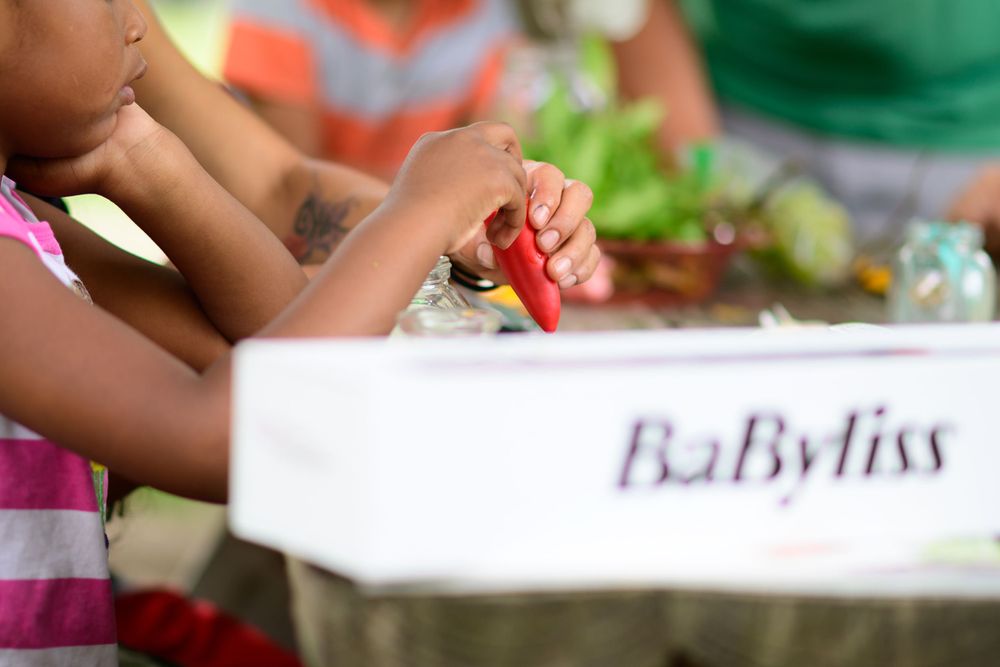
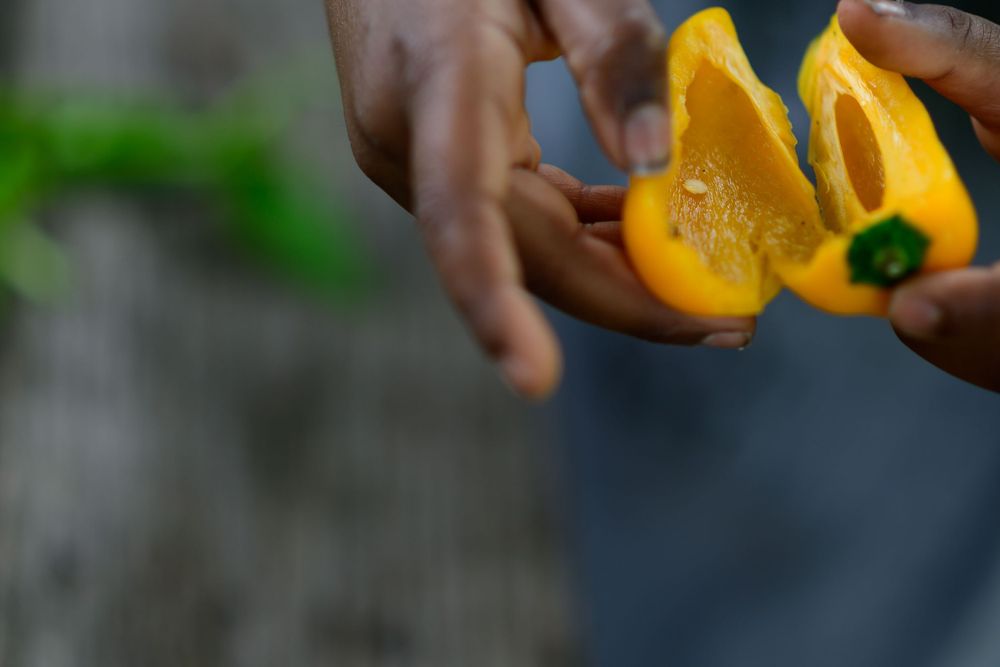
- Customize Activities for Local Environments : Tailor the curriculum to reflect each child’s surroundings. In urban settings, children can photograph parks, street trees, or community gardens, while rural settings might include wildlife, fields, or water bodies.
- Emphasize Community Engagement : Children can focus on photographing people or places that contribute to their community’s well-being. In urban areas, this might include documenting the work of local activists or community spaces; in rural areas, children could capture farming practices or local flora and fauna.
- Encourage Virtual Collaboration : If possible, partner with schools in different regions to allow children to share their photos and learn about each other’s environments. This can broaden their perspectives on social development by exposing them to diverse ecological and cultural settings.


Section 6: Conclusion and Call to Action
As children learn to observe, reflect, and capture images, they develop not only their emotional intelligence but also their ability to tell compelling stories about their world. This curriculum encourages children to see themselves as storytellers, capable of weaving narratives that celebrate their experiences, relationships, and emotions. By connecting photography to social-emotional development, children gain a platform to express their perspectives, fostering a belief in their ability to make a meaningful difference within their communities.
In a time when social awareness and emotional intelligence are critical, this early foundation empowers children to share their stories with empathy, creativity, and clarity. Photography becomes another tool for self-expression and connection, giving children a voice and a means to build bridges between themselves and others. Through these visual stories, they cultivate skills that will have a lasting impact on their growth and their contributions to the world around them.
Call to Action for Educators and Administrators
Implementing a photography-based curriculum in early childhood education is not just about teaching children to capture images; it's about helping them capture and understand the stories of their world. Through this lens, children can explore, express, and connect with their surroundings in meaningful ways that enhance their social-emotional development and storytelling skills.
- For Educators: Start with simple photography projects that encourage children to focus on kindness, relationships, and their emotions. Let them take pictures of what makes them happy, how they interact with their peers, or the beauty they see in nature. This approach nurtures their ability to reflect on their own feelings, recognize others' emotions, and communicate their stories visually. Create a space where every child's voice is heard through their images, fostering self-expression and empathy.
- For School Administrators: Support your educators with resources and training that incorporate photography into your SEL and developmental storytelling framework. Consider bringing in community partners to showcase how storytelling through visuals can highlight emotional growth, collaboration, and the importance of understanding different perspectives. Establish environments where children’s photographs become part of the classroom's emotional landscape, strengthening their ability to connect with themselves and others.
Engaging Families and the Community
Families and the wider community are integral to this learning process. Encourage parents and caregivers to ask children about the stories behind their photographs—what emotions are captured, what memories are created, and what they learned from the experience. By incorporating these conversations at home, families can reinforce the importance of emotional awareness and social connection. Schools can share the children’s photographic stories through exhibits, story-sharing events, or online platforms, creating a community-wide celebration of growth, understanding, and belonging.
Through photography, children develop a deeper sense of self-awareness, learn to recognize and express emotions, and understand the world around them in a way that promotes empathy, connection, and a sense of belonging. This process helps to weave a rich tapestry of personal and collective stories, setting the foundation for lifelong emotional intelligence and developmental growth.



Section 7: About The Author
This publication was authored by DJ McClure of Our Story Photographers, a Michigan-based lifestyle and documentary photography team co-owned with his wife Sara. Together, DJ and Sara create heartfelt visual stories that celebrate the beauty of everyday moments and meaningful connections.
DJ, a father of two boys, brings a personal perspective to his work, believing in the power of photography to inspire creativity, emotional growth, and connection. While DJ’s words guide this publication, it reflects the shared mission of Our Story Photographers to preserve life’s most meaningful moments and spark conversations that matter.
This work was authored and published by DJ McClure of Our Story Photographers, with all written credit attributed accordingly.